Aromatherapy, a holistic practice, utilizes natural scents for well-being. Essential oils offer diverse benefits, complementing medical treatments and enhancing daily life through ancient traditions.
What is Aromatherapy?
Aromatherapy is a holistic healing tradition, employing natural plant extracts – primarily essential oils – to enhance physical, mental, and emotional health. It’s more than just pleasant scents; it’s a therapeutic system rooted in the belief that these botanical essences can influence physiological and psychological processes.
The National Association for Holistic Aromatherapy (NAHA) defines it as using these extracts to heal the body, mind, and spirit. Aromatherapy works by stimulating the limbic system, the part of the brain responsible for emotions, memories, and hormone regulation. This stimulation can lead to a variety of effects, from reducing stress and anxiety to boosting energy and improving sleep.
While often considered alternative, aromatherapy is increasingly integrated alongside conventional medicine, offering a complementary approach to wellness. It’s a versatile practice, adaptable to individual needs and preferences, making it a powerful tool for self-care.
Historical Use of Essential Oils
Essential oils boast a rich history, utilized for millennia across diverse cultures. Evidence suggests their use in ancient Egypt for embalming, medicine, and cosmetics – think frankincense and myrrh. Traditional Chinese medicine, dating back thousands of years, incorporated aromatic plants for healing. Similarly, Ayurveda, the ancient Indian system of medicine, extensively used essential oils for balancing the body’s energies.
The Greeks and Romans also valued these botanical treasures, employing them in perfumes, massage oils, and medicinal preparations. Hippocrates, the “father of medicine,” advocated for aromatic fumigations to prevent and treat illnesses. Throughout the Middle Ages, essential oils were crucial in combating epidemics and preserving health.
The term “aromatherapy” itself is relatively modern, coined by French chemist René-Maurice Gattefossé in the early 20th century, but the practice is deeply rooted in ancient wisdom and a long tradition of harnessing nature’s healing power.

Understanding Essential Oils
Essential oils are concentrated plant extracts, capturing a plant’s essence. They’re created through various methods, impacting quality and therapeutic properties, demanding careful consideration.
Extraction Methods: Steam Distillation
Steam distillation stands as the most common method for extracting essential oils, prized for its efficiency and ability to produce high-quality oils. This process involves subjecting plant material – flowers, leaves, wood, roots, or bark – to steam. As the steam passes through the plant matter, it causes cell walls to rupture, releasing the volatile aromatic compounds.
The steam, now carrying these compounds, is then cooled and condensed back into a liquid. Because oil and water don’t mix, they naturally separate. The essential oil, being less dense, floats on top of the water, allowing for easy collection. This resulting water, infused with plant properties, is known as hydrosol or floral water, and also possesses therapeutic benefits.
Steam distillation is particularly well-suited for many plant materials, though some delicate flowers may be damaged by the heat. The process preserves the integrity of the oil, making it a preferred choice for many aromatherapists and essential oil producers. It’s a gentle yet effective way to unlock the potent power of plants.
Extraction Methods: Cold Pressing & Absolutes
Cold pressing, primarily used for citrus fruit peels, is a mechanical method that avoids heat, preserving the oil’s delicate aroma and properties. The peels are punctured and pressed to release the oil, which is then filtered to remove pulp and seeds. This method yields vibrant, fresh-smelling oils like lemon, orange, and grapefruit.
Absolutes, however, represent a different extraction approach. Used for delicate flowers that can’t withstand steam distillation – such as jasmine and benzoin – absolutes utilize a solvent (like hexane) to extract the aromatic compounds. While concerns exist regarding solvent residue, reputable producers ensure complete removal, leaving behind a highly concentrated, fragrant absolute.
Absolutes often possess a richer, more complex aroma than their steam-distilled counterparts. They capture the true scent profile of the flower, making them valuable in perfumery and aromatherapy. Though not technically “essential oils,” absolutes offer unique therapeutic benefits and are frequently included in aromatherapy practices.
Quality and Purity of Essential Oils
Ensuring quality and purity is paramount when selecting aromatherapy oils. Adulteration – adding synthetic chemicals or cheaper oils – is a common issue, diminishing therapeutic benefits and potentially causing adverse reactions. Look for oils labeled with the botanical name (e.g., Lavandula angustifolia for true lavender), country of origin, and extraction method.
GC/MS (Gas Chromatography/Mass Spectrometry) testing is a crucial indicator of purity. This analysis identifies the chemical constituents of the oil, verifying its authenticity and detecting any adulterants. Reputable suppliers readily provide GC/MS reports upon request.
Organic certification guarantees the plant was grown without synthetic pesticides or fertilizers, though it doesn’t necessarily confirm purity. Consider the oil’s aroma; a natural oil will have a complex, nuanced scent, while synthetic fragrances often smell flat or artificial. Proper storage in dark glass bottles, away from heat and light, also preserves oil quality.

Popular Aromatherapy Oils & Their Benefits
Essential oils like lavender, tea tree, peppermint, and eucalyptus offer diverse therapeutic properties. They support relaxation, skin health, energy, and respiratory wellness naturally.
Lavender Oil: Relaxation and Sleep
Lavender oil is arguably the most recognized and versatile essential oil, celebrated for its calming and relaxing properties. Historically used for centuries, it’s renowned for promoting sleep and reducing anxiety. Its gentle floral aroma interacts with the limbic system, influencing mood and nervous system functions.
This oil effectively eases stress, alleviates headaches, and soothes minor burns and cuts. Diffusing lavender creates a peaceful atmosphere, ideal for bedtime routines. Topically, when diluted with a carrier oil like jojoba or almond oil, it can be applied to temples or pulse points for relaxation.
Lavender’s benefits extend to skincare, helping with acne and promoting a healthy complexion. It’s also known to ease muscle tension when added to a warm bath. Its gentle nature makes it suitable for most individuals, though a patch test is always recommended before widespread topical application.
Tea Tree Oil: Antiseptic and Skin Health
Tea tree oil, derived from the Melaleuca alternifolia tree, is a potent antiseptic and antifungal essential oil, highly valued for its skin-healing properties. Indigenous Australians traditionally used it for treating infections, and its medicinal benefits are now widely recognized globally.
This oil is particularly effective against acne, blemishes, and minor skin irritations. Its antibacterial properties help cleanse pores and reduce inflammation. Diluted tea tree oil can also be used to treat fungal infections like athlete’s foot and nail fungus. Always dilute with a carrier oil before topical application, as undiluted use can cause irritation.
Beyond skin health, tea tree oil can boost the immune system and fight respiratory infections when diffused. It’s a valuable addition to homemade cleaning products due to its disinfecting qualities. However, it’s crucial to note that tea tree oil is toxic if ingested and should be kept out of reach of children and pets.
Peppermint Oil: Energy and Focus
Peppermint oil, extracted from the peppermint plant, is renowned for its invigorating and stimulating properties. Its refreshing aroma is widely used to boost energy levels, enhance mental clarity, and improve focus. Historically, peppermint has been used to alleviate digestive issues and headaches, adding to its versatile benefits.
When diffused, peppermint oil can sharpen concentration and combat mental fatigue, making it ideal for studying or working. Inhaling peppermint aroma can also help clear sinuses and ease respiratory discomfort. Topically, diluted peppermint oil can soothe muscle aches and pains when applied with a carrier oil.
However, caution is advised as peppermint oil can be potent. Avoid using it near young children or individuals with certain medical conditions. It’s best to perform a patch test before widespread topical application. A truly revitalizing oil, peppermint offers a natural way to enhance both physical and mental well-being.
Eucalyptus Oil: Respiratory Support
Eucalyptus oil, derived from the leaves of the eucalyptus tree, is a cornerstone of aromatherapy for respiratory health. Its primary component, 1,8-cineole, possesses powerful decongestant and expectorant properties, making it invaluable during colds, coughs, and sinus congestion. For centuries, indigenous Australians utilized eucalyptus for its healing properties, demonstrating its long-standing traditional use.
Inhalation of eucalyptus oil vapor helps to loosen mucus, clear nasal passages, and ease breathing difficulties. It’s commonly used in steam inhalations, chest rubs, and diffusers to provide respiratory relief. Beyond respiratory support, eucalyptus oil also exhibits antiseptic and anti-inflammatory qualities, aiding in soothing sore throats and minor wounds.
However, eucalyptus oil should be used with caution, especially around children and pets, as it can be toxic if ingested. Always dilute it with a carrier oil before topical application and avoid direct contact with eyes. A potent and effective oil, eucalyptus provides natural support for a healthy respiratory system.
Lemon Oil: Mood Boosting and Cleansing
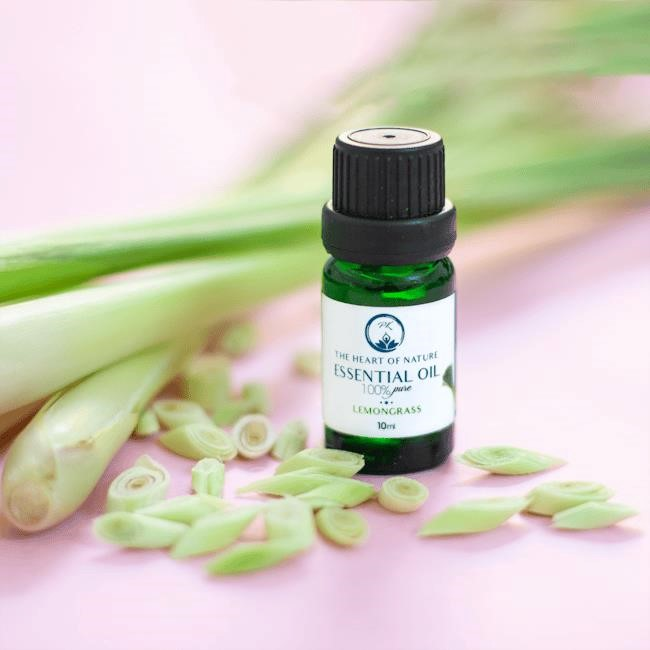
Lemon oil, extracted from the rind of the lemon fruit, is celebrated in aromatherapy for its invigorating and purifying properties. Its bright, citrusy aroma is renowned for its ability to uplift mood, reduce stress, and enhance mental clarity. This makes it a popular choice for combating fatigue and promoting a positive outlook.
Beyond its emotional benefits, lemon oil possesses potent cleansing properties. It’s frequently used in household cleaning products due to its antibacterial and antiseptic qualities, effectively cutting through grease and leaving surfaces sparkling. In aromatherapy, it’s believed to detoxify and stimulate the lymphatic system, aiding in the body’s natural cleansing processes.
Lemon oil can be diffused, added to cleaning solutions, or diluted with a carrier oil for topical application. However, due to its photosensitive nature, avoid direct sunlight exposure after applying it to the skin. A versatile and refreshing oil, lemon offers both emotional and physical benefits.
Chamomile Oil: Calming and Anti-inflammatory
Chamomile oil, particularly Roman chamomile, is a cornerstone of aromatherapy, highly valued for its gentle, calming effects. Its delicate, sweet floral aroma is deeply relaxing, making it an excellent choice for reducing anxiety, promoting sleep, and easing tension. It’s often recommended for individuals struggling with stress or insomnia.
Beyond its calming properties, chamomile oil boasts significant anti-inflammatory benefits. It can soothe irritated skin conditions like eczema and dermatitis, reducing redness and itching. Traditionally, chamomile has been used to alleviate muscle spasms and digestive discomfort, offering relief from cramps and bloating.
Chamomile oil can be diffused, added to bathwater (diluted in a carrier oil first!), or applied topically when properly diluted. It’s a particularly gentle oil, making it suitable for children and sensitive skin, but a patch test is always recommended. A truly versatile oil for both mind and body.
Rosemary Oil: Memory and Circulation
Rosemary oil is renowned for its invigorating properties, historically linked to enhancing memory and cognitive function. Its stimulating aroma can sharpen focus, improve concentration, and even aid in recall – making it a popular choice during study or work sessions. This benefit stems from its ability to increase blood flow to the brain.
Beyond cognitive support, rosemary oil is a powerful circulatory stimulant. It can improve peripheral circulation, potentially easing muscle aches and pains, and even reducing the appearance of cellulite. Its warming effect makes it beneficial for soothing sore muscles and joints.
Rosemary oil can be diffused, diluted in a carrier oil for massage, or added to hair care products to promote scalp health and hair growth. However, it should be used with caution by individuals with high blood pressure or epilepsy. Always dilute properly before topical application.
Safe Usage of Aromatherapy Oils
Prioritize safety with proper dilution using carrier oils, cautious application methods like inhalation or topical use, and awareness of potential precautions and contraindications.
Dilution Guidelines: Carrier Oils
Essential oils are highly concentrated and should never be applied directly to the skin undiluted, as this can cause sensitization, irritation, or allergic reactions. Carrier oils are vital for safe and effective aromatherapy application. These vegetable oils dilute essential oils, allowing for gentle absorption and minimizing adverse effects.
Common carrier oils include jojoba, sweet almond, grapeseed, avocado, and coconut oil, each offering unique properties; Jojoba closely resembles skin’s natural sebum, while sweet almond is rich in vitamins. The appropriate dilution rate depends on age, skin sensitivity, and the specific essential oil used.
Generally, a 1-3% dilution is recommended for adults – that’s 5-15 drops of essential oil per ounce (30ml) of carrier oil. For children, the elderly, and those with sensitive skin, a 0.5-1% dilution is safer. Always perform a patch test before widespread application to check for any reactions. Proper dilution ensures both the therapeutic benefits and the safety of aromatherapy practices.
Methods of Application: Inhalation
Inhalation is a powerful and direct route for experiencing aromatherapy benefits, as scent molecules travel directly to the limbic system – the brain area associated with emotions and memories. Several methods exist for effective inhalation.
Direct inhalation involves simply opening a bottle of essential oil and breathing deeply. Steam inhalation, adding a few drops to a bowl of hot water (with eyes closed!), creates a therapeutic vapor. Diffusers, whether ultrasonic, nebulizing, or evaporative, disperse essential oils into the air, creating an aromatic atmosphere.
Personal inhalers, small tubes containing a cotton wick infused with essential oils, offer convenient on-the-go aromatherapy. Inhalation is particularly effective for respiratory support, mood enhancement, and stress reduction. Always use caution and follow dilution guidelines when using steam inhalation to avoid irritation. The chosen method depends on personal preference and desired effect.
Methods of Application: Topical Use
Topical application of essential oils involves applying them to the skin, but never undiluted. Essential oils are highly concentrated and require a carrier oil – like jojoba, sweet almond, or grapeseed oil – to prevent skin irritation or sensitization. Dilution ratios vary depending on the oil and intended use, but a general guideline is 1-3% dilution for adults.
Massage is a popular method, combining the benefits of aromatherapy with the therapeutic effects of touch. Essential oils can be added to lotions, creams, or oils for customized blends. Compresses, using warm or cold water infused with diluted essential oils, can soothe muscles or reduce inflammation.
Baths, with a few drops of diluted oil dispersed in a carrier, offer a relaxing and aromatic experience. Always test a small area of skin before widespread application to check for any adverse reactions. Proper dilution is crucial for safe and effective topical use.
Precautions and Contraindications
Aromatherapy, while generally safe, requires caution. Essential oils are potent and can interact with medications or exacerbate existing health conditions. Individuals with allergies, asthma, epilepsy, or pregnant/breastfeeding women should consult a healthcare professional before use.
Photosensitivity is a concern with certain citrus oils (lemon, bergamot), increasing skin’s sensitivity to sunlight. Avoid direct sun exposure after topical application. Some oils are contraindicated for specific conditions; for example, peppermint should be avoided with gallbladder issues.
Internal use of essential oils is generally not recommended without the guidance of a qualified aromatherapist or healthcare provider. Always store oils safely, out of reach of children and pets. Perform a patch test before widespread topical application to check for sensitivities. Responsible use ensures a positive aromatherapy experience.
Integrating Aromatherapy into Daily Life
Enhance your routine with DIY recipes and targeted oil blends. Aromatherapy seamlessly integrates into wellness, offering support for specific conditions and promoting holistic health daily.
DIY Aromatherapy Recipes
Creating your own aromatherapy blends is a rewarding way to personalize the benefits of essential oils. For a calming sleep blend, combine 5 drops of lavender, 3 drops of chamomile, and 2 drops of cedarwood in 1 ounce of carrier oil like jojoba or sweet almond oil. Gently massage onto pulse points before bed.
To boost energy and focus, mix 3 drops of peppermint, 2 drops of rosemary, and 1 drop of lemon in a diffuser with water. Alternatively, create a stimulating inhaler blend by placing these oils on a cotton wick.
A simple cleaning spray can be made with 10 drops of lemon, 5 drops of tea tree, and 1 cup of distilled water in a spray bottle. Shake well before each use. Remember to always dilute essential oils properly with a carrier oil before topical application to avoid skin irritation. Experiment with different combinations to discover your favorite scents and therapeutic effects!
Aromatherapy for Specific Conditions
Aromatherapy can offer supportive care for various conditions, though it’s crucial to remember it’s not a replacement for medical treatment. For respiratory support during a cold, diffuse eucalyptus or peppermint oil to help clear congestion. A warm compress with a few drops of lavender can soothe headaches and muscle tension.
To alleviate stress and anxiety, try a blend of bergamot and frankincense in a diffuser or diluted in a carrier oil for a calming massage. Skin irritations may benefit from tea tree oil, known for its antiseptic properties, but always dilute it properly.
Individuals experiencing sleep difficulties can benefit from lavender or chamomile diffused in the bedroom. Always consult with a healthcare professional before using aromatherapy to address specific health concerns, especially if you have underlying medical conditions or are taking medications.