
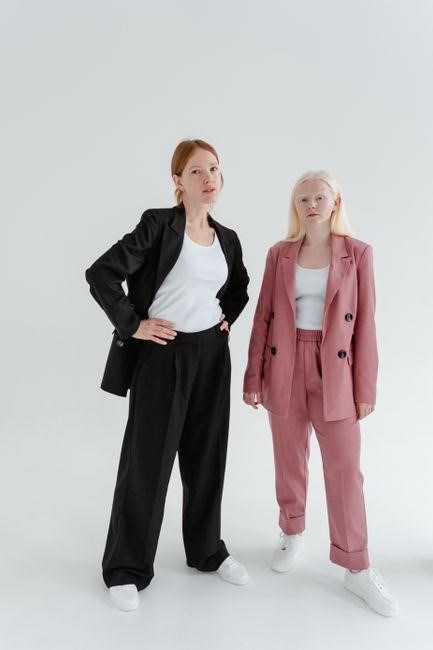
Overview of Women’s Trouser Sizes in the UK
UK women’s trouser sizes are numbered by waist circumference in inches‚ ranging from 28 to 38․ Each number corresponds to a specific waist measurement‚ and the corresponding hip and inseam are standardized․ Brands may vary slightly‚ but the core system remains consistent․ Common fit․!!
UK trouser sizes are numbered by waist circumference in inches‚ typically ranging from 28 to 38‚ and are based on a standard metric system where size correlates directly with waist measurement․
In the United Kingdom‚ women’s trouser sizing follows a waist‑centric system where each size number directly matches the waist circumference in inches․ The most common range is 28 to 38‚ and the conversion to centimetres is linear: a size 30 equals 30 inches (76 cm)‚ a size 34 equals 34 inches (86 cm)‚ and so on․ Retailers present this data in a standard chart that also lists hip width and inseam‚ but the waist remains the primary reference point․ Because the UK system is built on a metric foundation‚ it aligns smoothly with international conversion tables that translate UK sizes into US‚ EU‚ FR‚ and IT equivalents‚ often rounding to the nearest even number for simplicity․ This clear‚ single‑dimension approach makes it easier for shoppers to identify the correct size‚ especially when they can measure their waist at the narrowest point—just above the belly button—using a flexible tape․ A consistent measurement is critical; a difference of even half an inch can shift the recommended size by one number․ Many online retailers offer a quick reference tool: input your waist measurement in inches‚ and the site suggests the most suitable UK size․ This feature is particularly useful for those new to UK sizing or buying from international brands that still use the imperial system․ Ultimately‚ the UK’s waist‑based sizing system provides a reliable starting point for navigating the diverse landscape of women’s trousers‚ ensuring that each number corresponds to a specific‚ measurable waist circumference that can be verified with a tape measure․ All sizes fit perfectly․
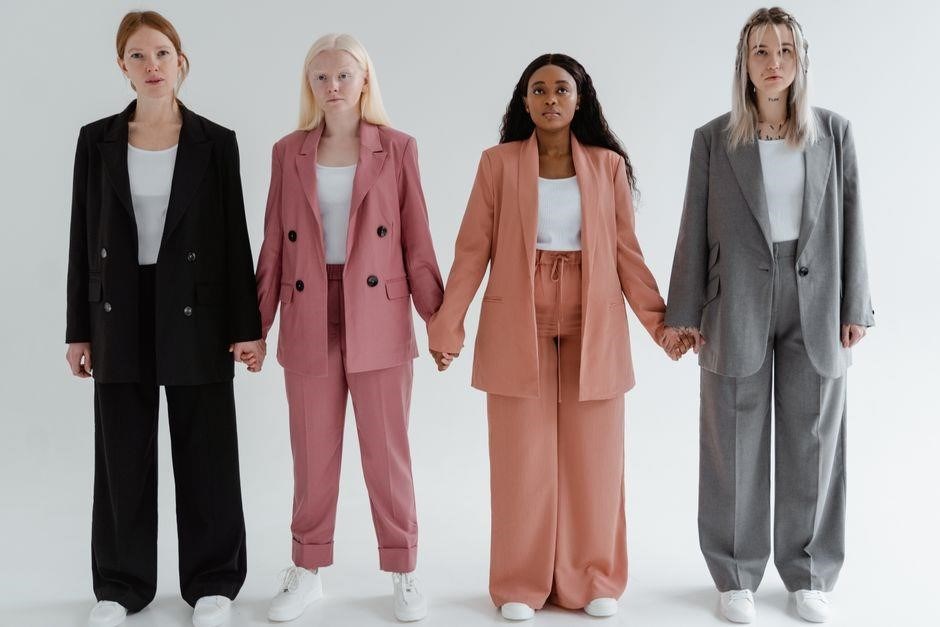
Essential Body Measurements for Accurate Sizing
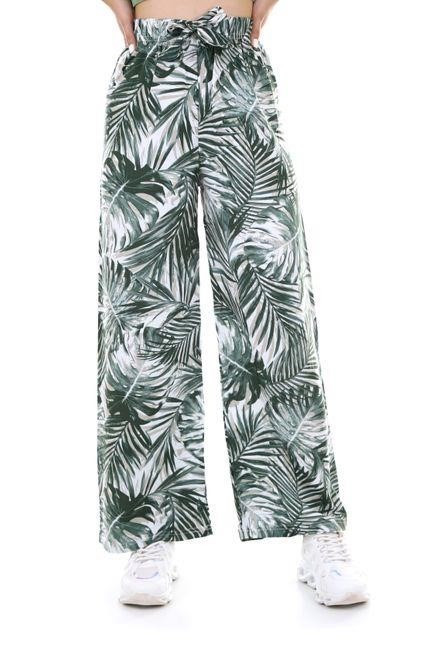
Measure waist at the narrowest point‚ hips at the widest point‚ and inseam from the crotch to the ankle using a flexible tape measure while standing straight and wearing fitted underwear․ Ensure measurements are taken with a snug but not tight tape‚ and record each figure accurately․ All done OK!
Measure waist at the narrowest point‚ hips at the widest point‚ and inseam from the crotch to the ankle using a flexible tape measure while standing straight and wearing fitted underwear․
To achieve an accurate trouser fit‚ begin by measuring your waist at the narrowest point‚ just very above the belly button․ This measurement should be taken with a flexible tape that lies flat against the skin‚ ensuring it is snug but not compressing the flesh․ Next‚ measure your hips at the widest part of your buttocks; this is usually the fullest point of your rear․ Use the same tape‚ keeping it level and parallel to the floor․ Finally‚ determine your inseam by measuring from the crotch seam down to the ankle bone‚ where the trouser leg should naturally end․ Stand upright‚ with your feet slightly apart‚ and keep the tape taut․ Record each measurement in inches‚ as UK sizing relies on these figures․ For consistency‚ repeat the process twice and average the results․ These precise numbers will guide you to the correct UK trouser size‚ ensuring a flattering and comfortable fit․

When taking measurements‚ use a mirror confirm the tape’s position and avoid sagging․
Additionally‚ consider the fabric type; lighter materials may require a slightly smaller size due to stretch‚ whereas heavier fabrics might need a larger size for comfort․
Always compare your measurements against the brand’s specific size chart‚ as variations exist between manufacturers․
If you are unsure‚ consult customer service or return policies before finalizing your purchase‚ as many retailers offer free exchanges within a set period․
Remember to double‑check measurements for accuracy․ Ok!!
To achieve an accurate trouser fit‚ begin by measuring your waist at the narrowest point‚ just very above the belly button․ This measurement should be taken with a flexible tape that lies flat against the skin‚ ensuring it is snug but not compressing the flesh․ Next‚ measure your hips at the widest part of your buttocks; this is usually the fullest point of your rear․ Use the same tape‚ keeping it level and parallel to the floor․ Finally‚ determine your inseam by measuring from the crotch seam down to the ankle bone‚ where the trouser leg should naturally end․ Stand upright‚ with your feet slightly apart‚ and keep the tape taut․ Record each measurement in inches‚ as UK sizing relies on these figures․ These precise numbers will guide you to the correct UK trouser size‚ ensuring a flattering and comfortable fit․ If your waist falls between sizes‚ pick the larger for looser fit or the smaller tight․!
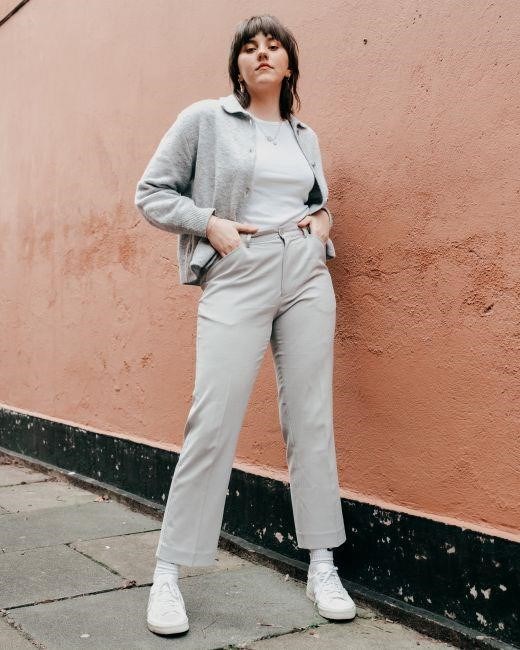
A standard UK trouser size chart lists waist and hip ranges in inches and centimeters‚ allowing shoppers to match their measurements to the correct numeric size․
When shopping for women’s trousers in the UK‚ the size chart is the first tool you’ll consult․ A typical chart will list waist and hip measurements in both inches and centimetres‚ with each numeric size (e․g․‚ 28‚ 30‚ 32) mapped to a specific range․ For example‚ a size 28 usually corresponds to a waist of 28–29 inches (71–74 cm) and hips of 38–39 inches (96–99 cm)․ Size 30 will cover waist 30–31 inches (76–79 cm) and hips 40–41 inches (101–104 cm)‚ and so on․ The chart is designed so that shoppers can simply locate their waist measurement on the left column and then read across to find the matching hip range․ Because many brands use a slightly different cut‚ the chart often includes a “fit” column that indicates whether the trousers are tailored‚ relaxed‚ or wide‚ which can affect the exact waist‑to‑hip ratio․ Some retailers also provide a conversion table for EU‚ US‚ FR‚ and IT sizes‚ making feel at home․ By comparing your own measurements to the chart‚ you can quickly determine whether you need to size up or down‚ and you’ll avoid the frustration of returns or ill‑fitting garments․ Always remember to double‑check the units: inches are the standard in the UK‚ but centimetres are often included for clarity‚ especially for those who prefer metric measurements․ When in doubt‚ try the trousers on or order a pair in a range of sizes to ensure a perfect fit․ This systematic approach to sizing turns what could be a guessing game into a precise‚ confidence‑boosting shopping experience․
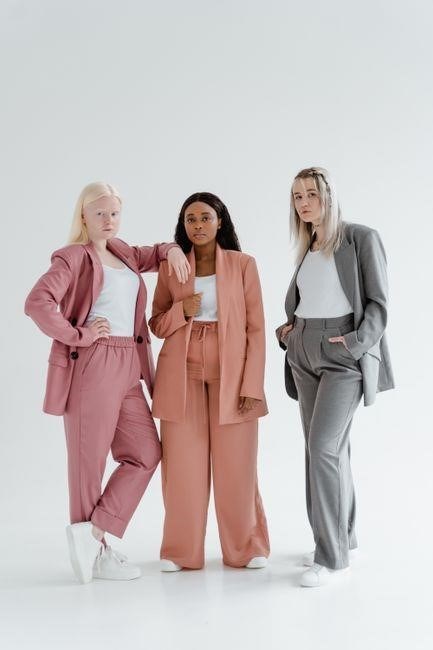
Fit Types and Their Impact on Size Selection
Fit styles—slim‚ regular‚ relaxed‚ high‑rise‚ low‑rise—change waist and hip cut‑offs․ Slim cuts may need a size up for comfort; relaxed fits stay at measured size․ High‑rise adds waist length‚ often requiring a larger size and fits well!!;
Fit categories such as slim‚ regular‚ relaxed‚ high‑rise‚ and low‑rise adjust waist and hip cut‑offs‚ requiring a size adjustment of +/- one number for tighter or looser fits․
When selecting women’s trousers in the UK‚ understanding how each fit type influences the final size is essential․ A slim cut follows the natural waist and hips closely‚ so if your measurements are on the tighter side‚ you may need to step up one size to avoid a constricting feel․ Regular fit offers a moderate taper‚ generally matching the exact waist measurement; however‚ some brands add a small extra allowance for movement‚ meaning a size up can sometimes provide a more comfortable fit․ Relaxed fit trousers are designed for a looser silhouette‚ often with a generous waist and hip allowance; in these cases‚ a size down may still fit comfortably‚ but a size up can give extra room for layering․ High‑rise styles extend the waistband higher‚ which can shift the waistline up by a few centimeters; this often necessitates a larger size to maintain the intended length and avoid pulling at the hips․ Low‑rise cuts sit lower on the waist‚ and because they rely on a tighter waistline‚ a smaller size may be required to prevent sagging․ In practice‚ the rule of thumb is to adjust by +/- one size depending on whether the fit is tighter or looser than your standard measurement․ Always check the brand’s specific fit guide‚ as some may deviate from the general rule‚ and consider trying on a pair in a store or ordering from a retailer with a flexible return policy to confirm the best fit for your body shape and style preference․ Sizing can vary by brand‚ so always try before buying to ensure a comfortable‚ flattering fit today

International Size Conversions: UK to US‚ EU‚ FR‚ IT
A UK 30 waist equals a US 8‚ EU 38‚ FR 30‚ and IT 38․ UK 32 matches US 10‚ EU 40‚ FR 32‚ IT 40․ UK 34 is US 12‚ EU 42‚ FR 34‚ IT 42․ UK 36 aligns with US 14‚ EU 44‚ FR 36‚ IT 44․ UK 38 equals US 16‚ EU 46‚ FR 38‚ IT 46․ UK 40 matches US 18‚ EU 48‚ FR 40‚ IT 48․ UK 42 matches US 20‚ EU 50‚ FR 42‚ IT 50․
Conversion tables show that a UK 30 waist equals a US 8‚ EU 38‚ FR 30‚ and IT 38‚ with rounding typically to the nearest even number․
Conversion tables are essential for shoppers navigating the global market of women’s trousers․ A UK 30 waist typically translates to a US 8‚ EU 38‚ FR 30‚ and IT 38․ The logic behind these conversions is rooted in the metric system: the UK measurement is in inches‚ while EU‚ FR‚ and IT use centimeters․ To convert‚ multiply the UK waist by 2․54 to get centimeters‚ then round to the nearest even number to align with European sizing conventions․ For example‚ 30 inches equals 76․2 cm; rounding to 76 cm and adding 2 cm for the EU standard yields 78 cm‚ which is listed as EU 38․ The same 76 cm measurement maps to FR 30 and IT 38 because those systems use a one‑to‑one correspondence with the UK’s inch‑based numbering․ When converting to US sizes‚ the correlation is less linear; a UK 32 may become a US 10‚ and so on․ Retailers often provide a quick reference chart that lists UK sizes alongside their US‚ EU‚ FR‚ and IT equivalents‚ allowing consumers to make informed choices without guessing․ It is important to note that rounding to the nearest even number is a common practice to maintain consistency across brands‚ especially when dealing with high or low cuts that can affect waist circumference․ By understanding these conversion principles‚ shoppers can confidently compare sizes across international labels‚ ensuring a better fit and reducing the likelihood of returns․ The tables also help designers and manufacturers standardize their product lines that appeal to a global customer base․ They aid quick selection!
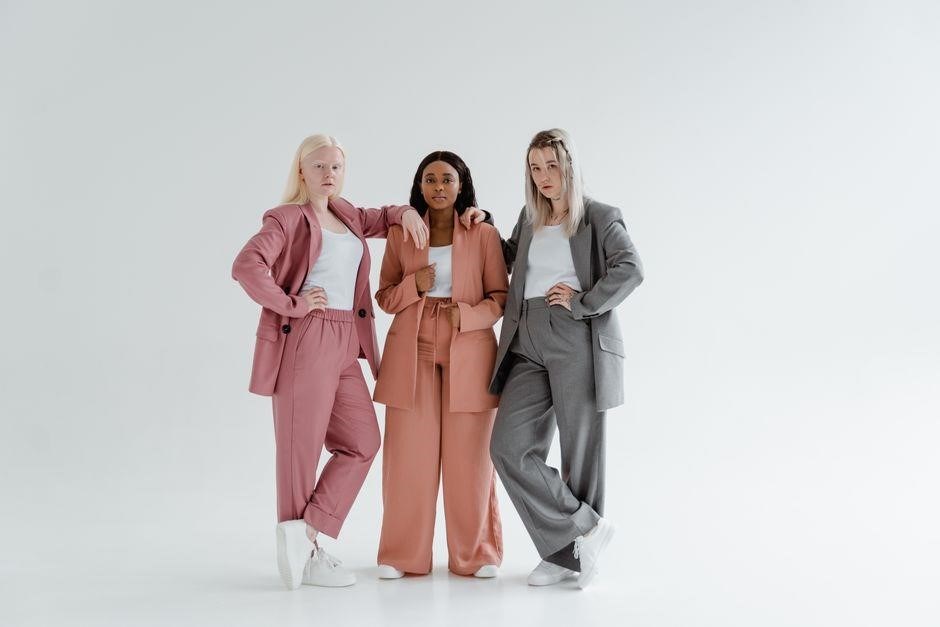
Common Sizing Issues and How to Resolve Them
Vanity sizing‚ brand gaps‚ and mis‑labeling frustrate shoppers․ Compare new pieces to a well‑fitting pair‚ note waist‚ hips‚ inseam‚ and test in store or online․ Check return policies and read reviews for fit insights before buying; —try again
Vanity sizing‚ brand inconsistencies‚ and mis‑labeling can be mitigated by comparing new items to a well‑fitting pair and checking return policies before purchase․
Vanity sizing‚ brand inconsistencies‚ and mis‑labeling often lead to confusion when shopping for women’s trousers in the UK․ Many retailers intentionally inflate size numbers to make customers feel slimmer‚ while others use different measurement standards‚ causing the same numerical size to fit differently across brands․ Mis‑labeling can occur when manufacturers misprint waist or hip ranges‚ or when online listings use generic size charts that do not reflect actual product dimensions․ To navigate these pitfalls‚ shoppers should first measure their own waist‚ hips‚ and inseam with a flexible tape measure‚ noting the exact numbers in both inches and centimeters․ Next‚ compare these measurements against the brand’s specific size chart‚ which is usually available on the product page or in the brand’s size guide․ If the chart shows a range that includes your measurements‚ you are likely in the correct size; if your measurements fall outside‚ consider sizing up or down by one number‚ depending on the fit preference․ Additionally‚ reviewing customer photos and comments can reveal whether the trousers run true to size‚ run small‚ or run large․ Many online retailers offer free returns or exchanges‚ so it is prudent to check the return policy before finalizing a purchase․ If a return is possible‚ order a slightly larger size and use the returned pair as a reference for future purchases․ Always cross‑check the size chart with the retailer’s own measurements‚ as some use a 0․5‑inch offset for waist or hip to accommodate fabrics!
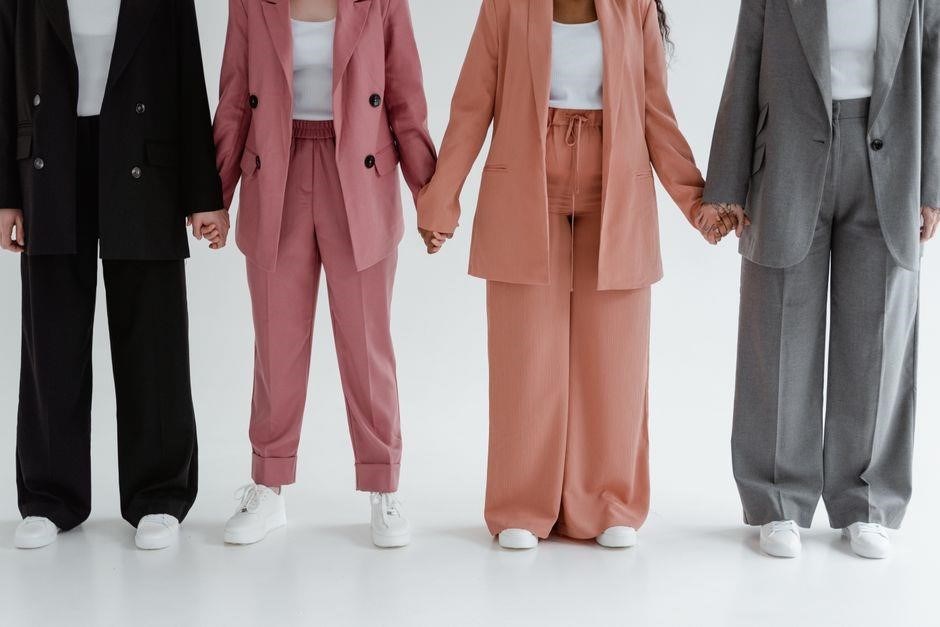
Practical Tips for Choosing the Perfect Trouser
Pick the right cut for the event: workwear favors straight or tailored‚ casual leans relaxed‚ formal calls for slim‚ high‑rise with precise tailoring․ Measure waist‚ hips‚ inseam‚ compare to brand chart‚ test fit‚ and consider fabric stretch․
Select trousers by occasion—workwear favors straight or tailored fits‚ casual styles lean towards relaxed cuts‚ and formal settings often call for slim‚ high‑rise options with precise tailoring․
Choosing the right trouser for a specific event starts with understanding the dress code and the garment’s cut․ For office environments‚ straight‑cut or tailored trousers that sit at the natural waist or slightly below create a professional look; These styles typically have a narrow leg opening‚ allowing them to pair seamlessly with blouses‚ button‑down shirts‚ or structured blazers․ When the workplace leans toward business‑casual‚ a relaxed cut can be acceptable‚ but the fabric should still be firm enough to maintain shape․
In everyday casual settings‚ the emphasis shifts to comfort and versatility․ Relaxed or boyfriend cuts‚ which feature a wider leg and a lower rise‚ provide ease of movement and a laid‑back aesthetic․ Pair them with T‑shirts‚ knitwear‚ or open‑front shirts for a relaxed vibe․ If you prefer a more fitted silhouette‚ opt for a slim‑cut that still offers a relaxed waist to avoid constriction․
Formal occasions demand precision․ Slim‑cut trousers with a high‑rise are ideal‚ as they elongate the leg and create a streamlined silhouette․ The fabric should be smooth‚ with minimal stretch‚ to preserve the tailored shape․ Pay close attention to the inseam; an inaccurate length can result in visible bunching or a cropped appearance․ For very formal events‚ consider a tailored fit with a slight taper from waist to ankle‚ ensuring the trousers sit flush against the leg without excess fabric․
Regardless of the occasion‚ always test the fit in a mirror․ Check that the waist sits comfortably without pinching‚ the hips align with the garment’s hip line‚ and the leg opens correctly․ If ordering online‚ compare your measurements to the brand’s size chart and read return policies carefully․ A well‑chosen trouser not only enhances your appearance but also boosts confidence throughout the day․
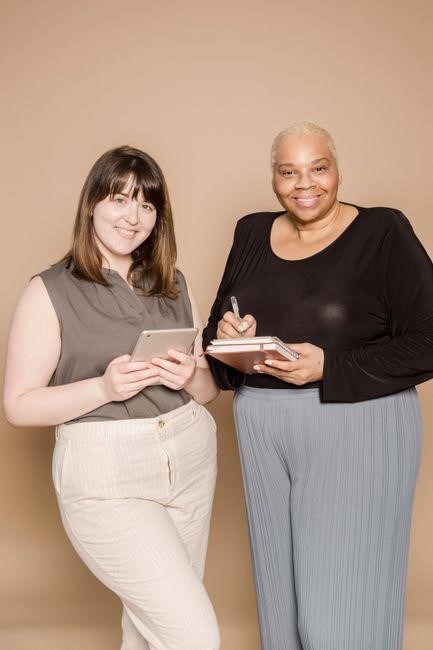
Fabric choice also influences fit perception․ Lightweight wool or blended fabrics hold shape better than cotton blends‚ especially in tailored cuts․ Stretch fabrics can accommodate slight variations in waist size‚ making them suitable for relaxed styles․ When selecting a high‑rise formal trouser‚ look for a fabric with a subtle sheen and minimal stretch to maintain crispness․ Finally‚ always consider the color palette of your wardrobe; neutral tones like charcoal‚ navy‚ or black provide versatility across occasions․
Remember to adjust for personal preference and comfort‚ and try a trial fit if possible․